

A Passport to Art | 40 Years of the German-German Cultural Agreement
Event date: 11/09/2026 - 11/10/2026
Location: James-Simon-Galerie
Free upon registration
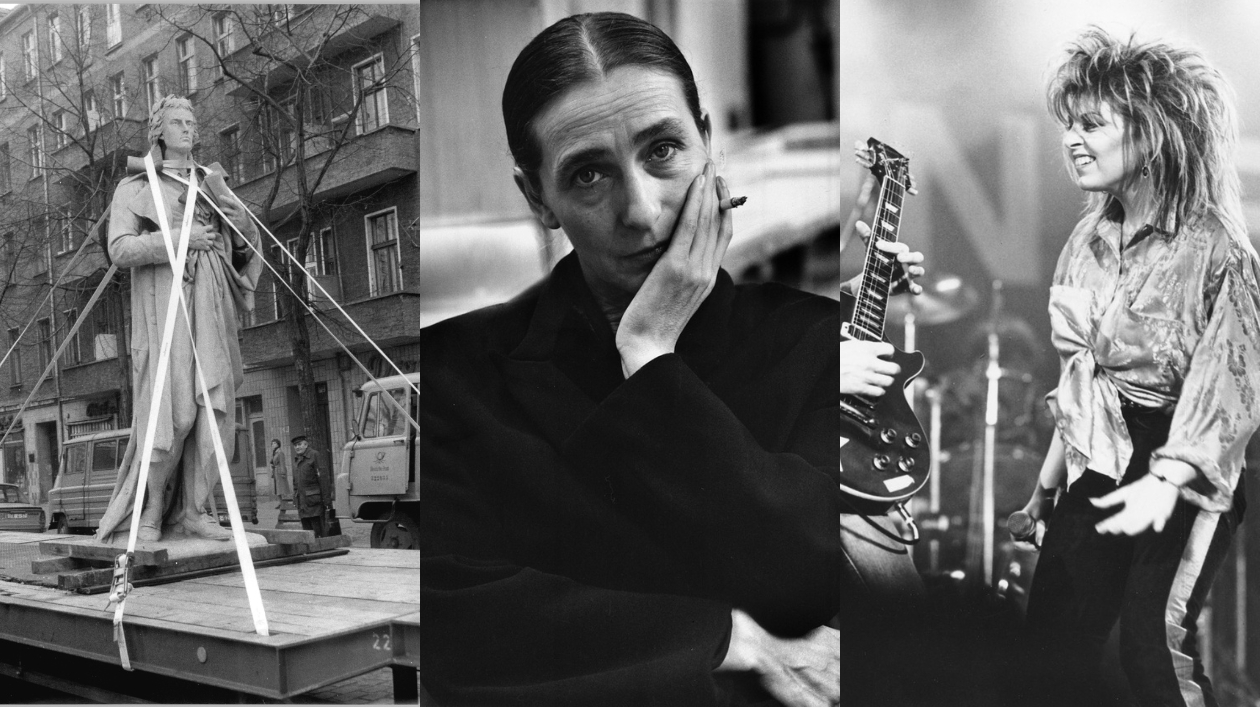
‘If East Berlin declares Goethe a citizen of the GDR, we’ve lost.’ This quip from Bonn did the rounds when the inter-German cultural agreement was finalised in 1986, during the early years of Helmut Kohl’s chancellorship. For thirteen years, the treaty between the two German states had been shunted back and forth – given the division of Germany, cultural exchange was highly contentious. The GDR leadership initially refused to recognise art and culture as a link between East and West, but had to accept that it could no longer shield its population from Western influence. The Federal Government insisted on the indivisibility of the nation, whilst seeking openness and dialogue. A particular point of contention in the negotiations over the inter-German cultural agreement centred on the Prussian Cultural Heritage Foundation, based in West Berlin: the Federal Government rejected the GDR’s demand for the return of cultural assets that had been relocated to the eastern part of Berlin as a result of the war.
Contemporary witnesses and key figures from that era will discuss these issues at the event organised by the Prussian Cultural Heritage Foundation in collaboration with the Federal Chancellor Helmut Kohl Foundation: What impact did the agreement have? How did art and audiences, living under such different circumstances, come together? We will also explore the question of what characterised GDR culture, which was partly state-controlled and partly independent and subversive. How do its distinctive features continue to have an impact today? A key topic of discussion on the panel will be whether and how art and culture can bring about social change.
The panellists are Ingeborg Ruthe, art critic for the *Berliner Zeitung*, Petra Winter, Director of the Central Archive of the State Museums in Berlin; Thomas Flierl, former employee of the GDR Ministry of Culture and ex-Senator for Culture; gallery owner Felix Brusberg; and Ulrich Leidholdt, former WDR radio correspondent in the GDR.
Moderator: Christhard Läpple (former editor at ZDF).
Venue: James-Simon-Galerie, Bodestraße 1–3, 10178 Berlin
Time: 9 November 2026, 6.00 pm